Living sustainably is not just a choice, it is a prudent effort to safeguard the planet for future generations. Each initiative, however small, is a step in the right direction to achieve this collective goal.
This Ramadan, the Bring Your Own Cup (BYOC) is one such initiative undertaken by the Dawoodi Bohras of Melbourne which encourages community members to bring their own tea cups and reduce their carbon footprint at community events. Husain Fakhri, a volunteer, who was integral in launching this initiative, spoke with us about the implementation and impact of this undertaking within the community.
1. What was the motivation to implement BYOC at the community centre?
The primary motivation behind our campaign was to further our commitment to be environmentally conscious in all our actions. As our community gathers daily during Ramadan for prayers and Iftar, we recognised that serving tea to approximately 450 members created significant waste through disposable paper cups.
The BYOC initiative represents a thoughtful progression in our sustainability journey. It also aligns with Islamic principles of avoiding waste and caring for the environment.
2. What significance does this initiative have in Australia specifically?
Australia is facing unique environmental challenges from climate change, and thus community-level sustainability initiatives carry particular significance. As per reports, Australia has one of the highest per capita carbon footprints globally, so every reduction in waste and energy use matters.
Australia specifically has ambitious environmental targets, and our initiative demonstrates how faith-based organisations can contribute positively to national sustainability goals. This integration of faith-based practice with environmental consciousness also helps build bridges between Muslim communities and the wider Australian society through shared environmental values.
3. When did you start and how did you get to this point?
The drive to observe a sustainable Ramadan began several years ago when we started to recognise the environmental impact of our daily Iftar gatherings.
At first, we used thermopore cups but found they were not suitable for hot beverages and so we shifted to paper cups. As it turns out, paper cups too came with an environmental burden as each day we had to dispose of a large number of them after the tea service. In came glass cups, which did eliminate the paper wastage but introduced new challenges in terms of water and energy usage from commercial dishwashers.
So, this Ramadan, we implemented the BYOC initiative, encouraging all members to carry their personal keep cups for tea.
Throughout these years, we have built upon community feedback that has helped gradually change habits without disrupting the spiritual significance of our gatherings. This approach has helped internalise the message and it reflects in the collective action by the community.

4. How did people react to this new system?
We started creating awareness about BYOC two months prior to Ramadan by sending messages to our community group and asking people to invest in a good quality cup to bring with them to the masjid. Initially, we were a little skeptical but were pleasantly surprised to see approximately 90% of members take this to heart and bring their own cup from day one, including the younger members of the community.
5. Could you talk about some of the challenges you faced and how you overcame them?
Self punctuality was definitely a big one. We wanted to ensure that the tea was ready, filled in the urns and placed near the entrance before community members arrived at the masjid. Since all our volunteers are hardworking professionals, ensuring someone always went that extra mile and came earlier to set up the iftaar table required a lot of commitment. But our dedicated team rose to the occasion and we were able to pull this off seamlessly.
Another pressing concern was keeping the tea hot. A cup of hot tea is like the soul of a good iftaar and makes the experience warm and comforting. As members arrived intermittently, we had to do something about retaining the warmth of the tea. To achieve this, we invested in high quality urns to keep the tea hotter for a longer duration.

6. How is BYOC cost-effective?
Previously, paper cups incurred a daily cost. When we shifted to glasses, we had to employ extra man hours to wash around 450 glasses in a very short amount of time as these glasses were again required during dinner. This also wasted valuable time that volunteers could instead spend in observing prayers. We also hired a person but that too came at a high cost on the hourly mark. With one fell swoop, BYOC got rid of most of these problems.
7. What are the other sustainability-aligned initiatives that the community is involved in?
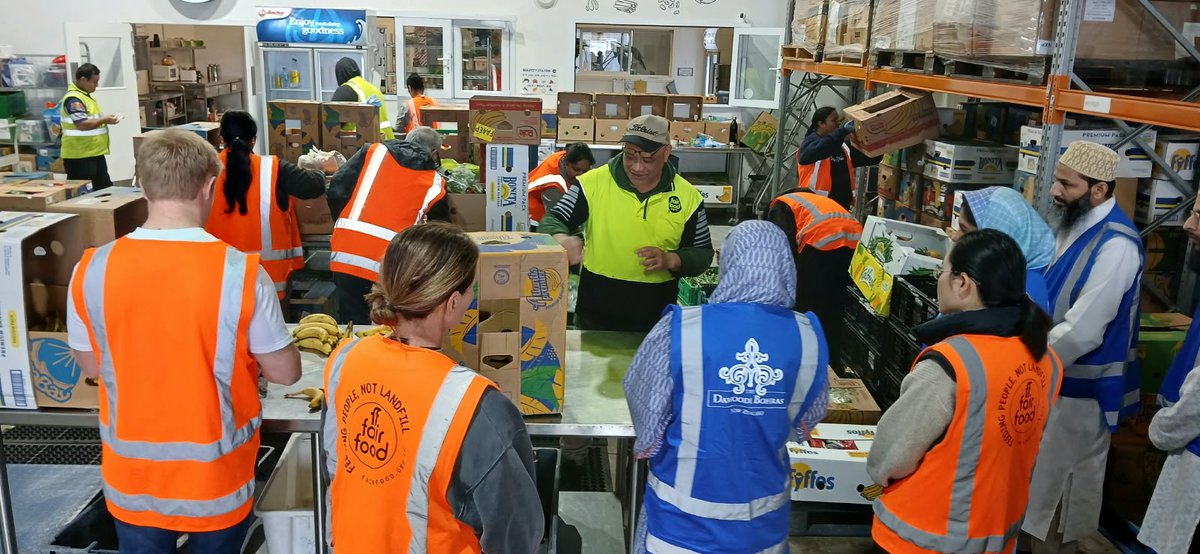
One major activity we participated in was the Blackburn Lake Sanctuary clean up where we saw firsthand the extent of pollution, particularly plastic waste and other non-biodegradable items. This real-life experience made us more conscious of our own waste habits and the impact of human activity on marine life.
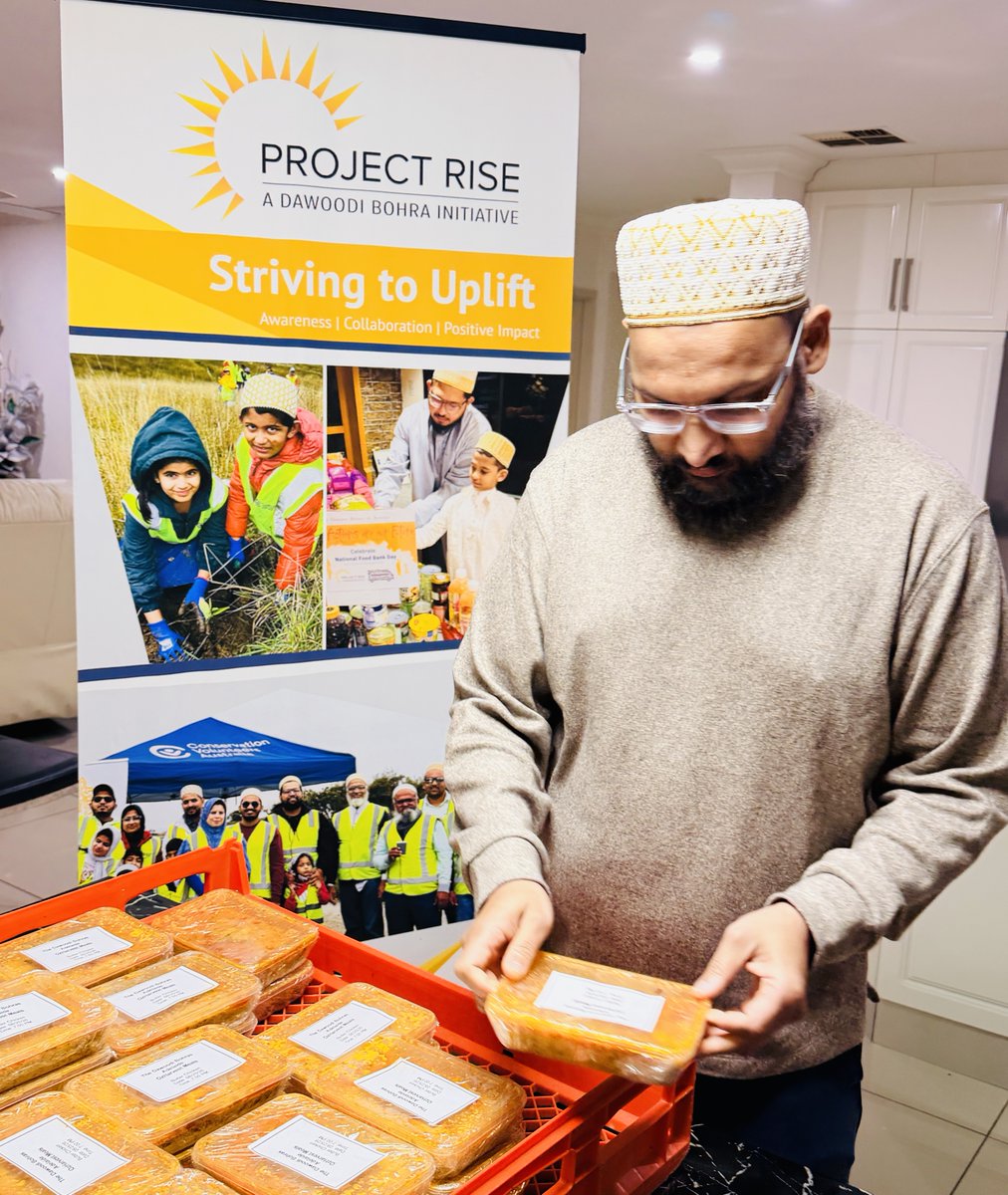
During Ramadan, our sustainability practices extend beyond the BYOC initiative. Dana committee is a dedicated team of volunteers who raise awareness regarding food wastage and make sure that there are no leftovers after the meal. Due to their tireless efforts, I can say with confidence that there has been zero food wastage in our daily dinner service. Additionally, the same is true about the year-long FMB community kitchen service that delivers daily meals to community households.
We have also swapped the convenience of single-use plastics to stainless steel cutlery and incorporated the practice of segregating waste as a routine part of the dinner service. At the end of the day, if we have an excess of fresh leftover food, volunteers deliver that to a charity where it is distributed to people in need.


8. What impact are these initiatives having on community children?
These initiatives are having a profound impact on children, shaping them into environmentally responsible individuals. Children involved in these initiatives naturally bring eco-friendly practices into their daily lives.
Here is what other community members had to say about the initiative
“The Bring Your Own Cup initiative instills environmental responsibility in my kids by reducing waste and promoting sustainability, shaping them into conscious global citizens. It also teaches time efficiency by encouraging planning ahead, fostering a habit of mindful consumption.”
- Abbas Kudrati, ex-CISO, Microsoft
“The Bring Your Own Cup initiative not only promotes sustainability but also encourages creativity, mumineen can choose and personalize their own keep cups! This helps instill both environmental responsibility and a sense of individuality, shaping a future for our kids where they can see first hand the value of both style and sustainability.”
-Zahra Millwala, Marketing Manager at McCain foods